Do I Need a VSMP Permit in Virginia?
The exact thresholds that trigger a Virginia stormwater permit, what the permit actually covers, and what happens if you skip it.
Quick Answer
- Virginia generally requires a VSMP permit once land-disturbing activity reaches 1 acre, or just 2,500 sq ft inside a Chesapeake Bay Preservation Act locality (Virginia DEQ / Code of Virginia).
- VSMP covers two things: erosion and sediment control during construction, and long-term stormwater management afterward.
- A typical city block generates more than 5 times the runoff of an equivalent forested area, which is why the disturbance thresholds exist (EPA).
- Skipping a required permit risks a stop-work order; we handle SWPPP review and BMP installation as part of the job.
Short answer: often, yes. Virginia's Stormwater Management Program (VSMP) generally requires a permit once a project disturbs 1 acre of land or more, but that threshold drops sharply, to just 2,500 square feet, inside Chesapeake Bay Preservation Act localities, which covers much of the Lynchburg region. If you're planning anything beyond very minor landscaping, it's worth confirming before you break ground.
This trips people up more than almost any other part of a site work project, because it's not just large commercial developments that get caught by it. Residential additions, new driveways, pole barns, and even substantial landscaping work can cross the threshold once enough soil gets exposed, especially in the tighter Chesapeake Bay Preservation Act zones.
What VSMP Actually Covers
VSMP isn't one single rule. It bundles two distinct requirements together:
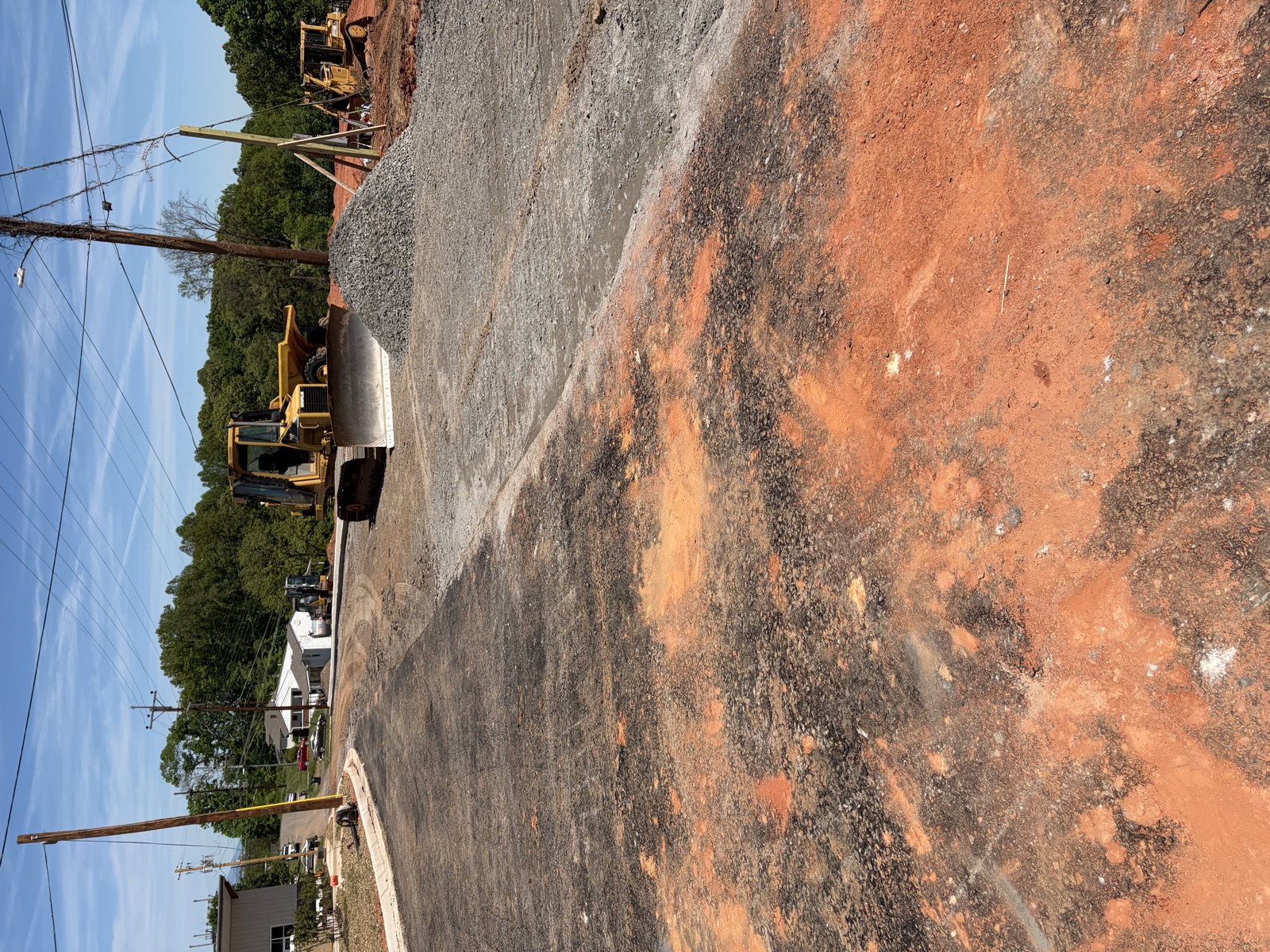
- Erosion and sediment control (E&SC): the short-term measures during construction that keep soil from washing off-site: silt fence, sediment basins, inlet protection, and stabilization once grading is done.
- Stormwater management: the long-term design that controls how much runoff leaves your site, and at what rate, once construction is complete.
A VSMP permit typically requires a Stormwater Pollution Prevention Plan (SWPPP) and, depending on project size, formal stormwater management design review by the locality.
Who Actually Needs a Permit: By the Numbers
Inside Chesapeake Bay Preservation Act localities, the VSMP land-disturbance threshold drops from the general 1-acre rule to just 2,500 square feet, a bar that ordinary residential projects can cross without realizing it.
Source: Virginia DEQ & Code of Virginia (VESMA)This is the part people get wrong most often: it's not just commercial developers who need to check. If your project is anywhere near that 2,500 square foot line, such as a garage addition, a large patio, or a cleared building envelope, the safest move is to ask your locality's building department or a contractor who deals with VSMP regularly, before you start.
Why Stormwater Rules Exist in the First Place
It's easy to treat permitting as pure bureaucracy, but the underlying problem it addresses is real and measurable.
A typical city block generates more than five times the stormwater runoff of a forested area of the same size, and as little as 10% impervious cover in a watershed can begin to degrade stream health, which is why disturbance thresholds are set where they are.
Source: U.S. EPA: Urbanization and Stormwater RunoffEvery additional square foot of disturbed, compacted, or paved ground changes how fast water moves off a site and how much sediment it carries with it. VSMP exists to make sure that change gets managed instead of dumped onto whatever's downhill, a neighbor's yard, a storm drain, or a stream.
Not sure if your project crosses the threshold?
We'll walk the site, tell you straight, and handle the permitting if it applies.
Get a compliance walk-through →What Happens If You Skip It
Building without a required permit, or failing to maintain the erosion controls a permit requires, typically results in a notice of corrective action with a deadline to fix the problem. Left unaddressed, that can escalate to a stop-work order or fines, either one far more expensive than getting the permitting right up front.
The Permitting Process, Simplified
- Determine if your disturbance triggers the threshold. Check with your locality or a contractor familiar with the local specs.
- Prepare a SWPPP outlining the erosion and sediment control measures for the site.
- Get the permit approved before land-disturbing activity begins.
- Install and maintain BMPs: silt fence, sediment basins, and inlet protection throughout construction, with inspections along the way.
- Stabilize and close out once grading is complete, with final documentation for your file.
We handle SWPPP review, permit coordination, and BMP installation as part of the job, it's the discipline we lead with, not an afterthought tacked onto the end of a grading contract. See our full Stormwater & VSMP page for the details, and if you're scoping a grading project alongside this, How Much Does Grading Cost in Lynchburg, VA? covers how the two interact on price.
Frequently Asked Questions
Do I need a VSMP permit in Virginia?
Often, yes. Virginia's Stormwater Management Program generally requires a permit once a project disturbs 1 acre of land or more. That threshold drops to 2,500 square feet inside Chesapeake Bay Preservation Act localities, which covers many Lynchburg-area jurisdictions. If you're planning anything beyond very minor landscaping, it's worth checking before you break ground.
What's the difference between erosion control and stormwater management?
Erosion and sediment control (E&SC) is the short-term work during construction, such as silt fence, sediment basins, and stabilization, that keeps soil from leaving the site. Stormwater management is the long-term design that controls runoff rate and quality after construction is complete. A VSMP permit covers both, and we handle both.
What happens if I fail a stormwater inspection?
The inspector issues a notice of corrective action with a deadline to fix the deficiency. Silt fence down, a basin not maintained, and exposed soil without stabilization are common findings. Left unaddressed, that can escalate to a stop-work order or fines. We offer same-week site visits specifically to fix a failed inspection before it gets there.
Does a residential project need a permit too?
It can. Additions, driveways, pole barns, and even significant landscaping can trigger the disturbance threshold, especially inside Chesapeake Bay Preservation Act areas where the bar is just 2,500 square feet. The safest approach is to check before you start, either with your locality's building department or a contractor who handles VSMP regularly.