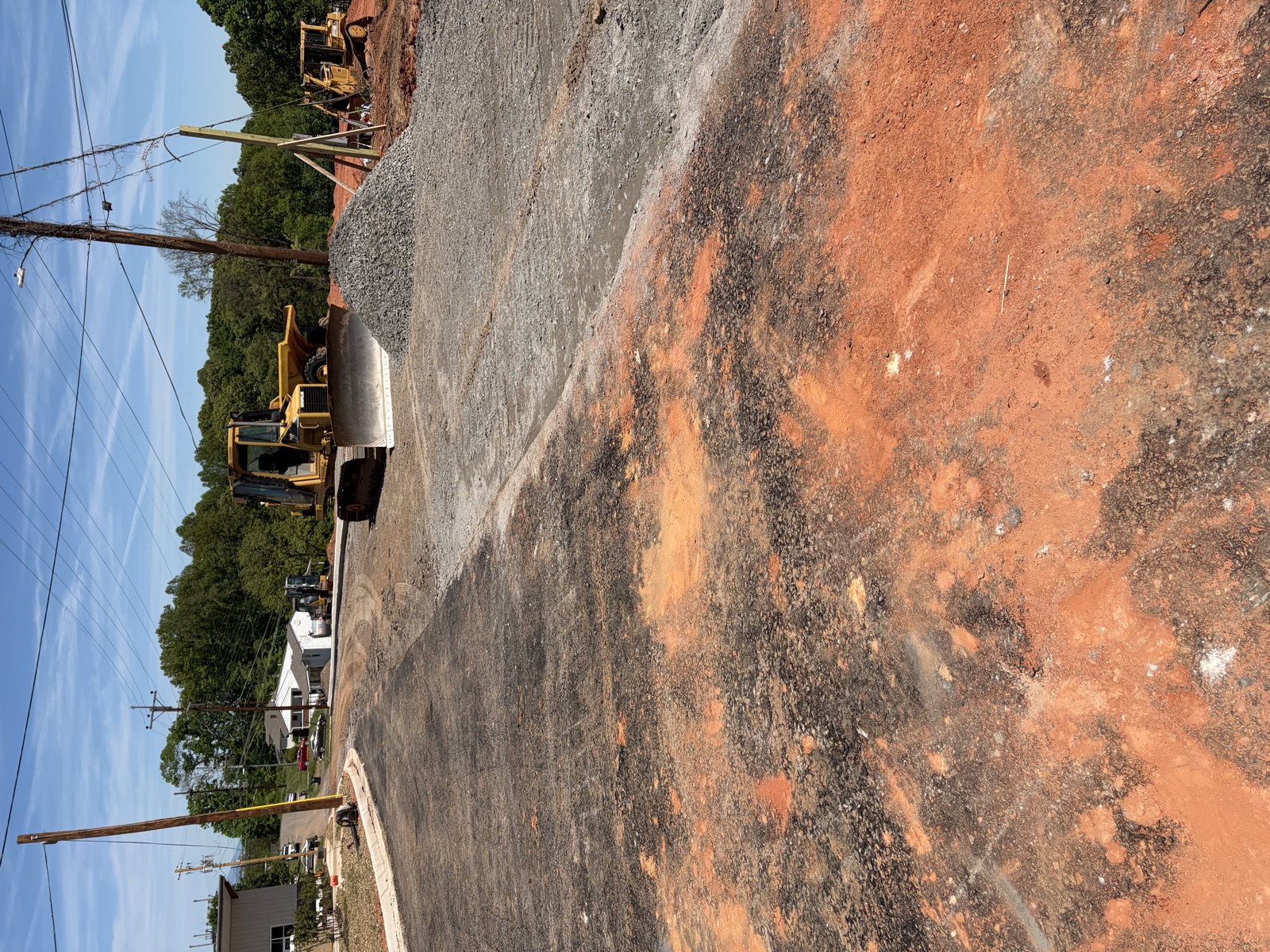
How Long Does a Site Grading Project Take?
A realistic look at grading timelines for Virginia projects, and the permitting and weather factors that actually control the schedule.
Quick Answer
- Most residential grading wraps in a few days to about two weeks; commercial pads and larger cut-and-fill jobs typically run several weeks.
- Permitting, not the earthwork itself, is often the single biggest variable in a project's overall timeline.
- Site work is a real budget line, averaging 7.6% of total new-home construction cost nationally, and complexity scales with both cost and time (NAHB).
- Lynchburg averages roughly 157 rainy days a year, so weather is a genuine scheduling factor to plan around, not an excuse (NOAA).
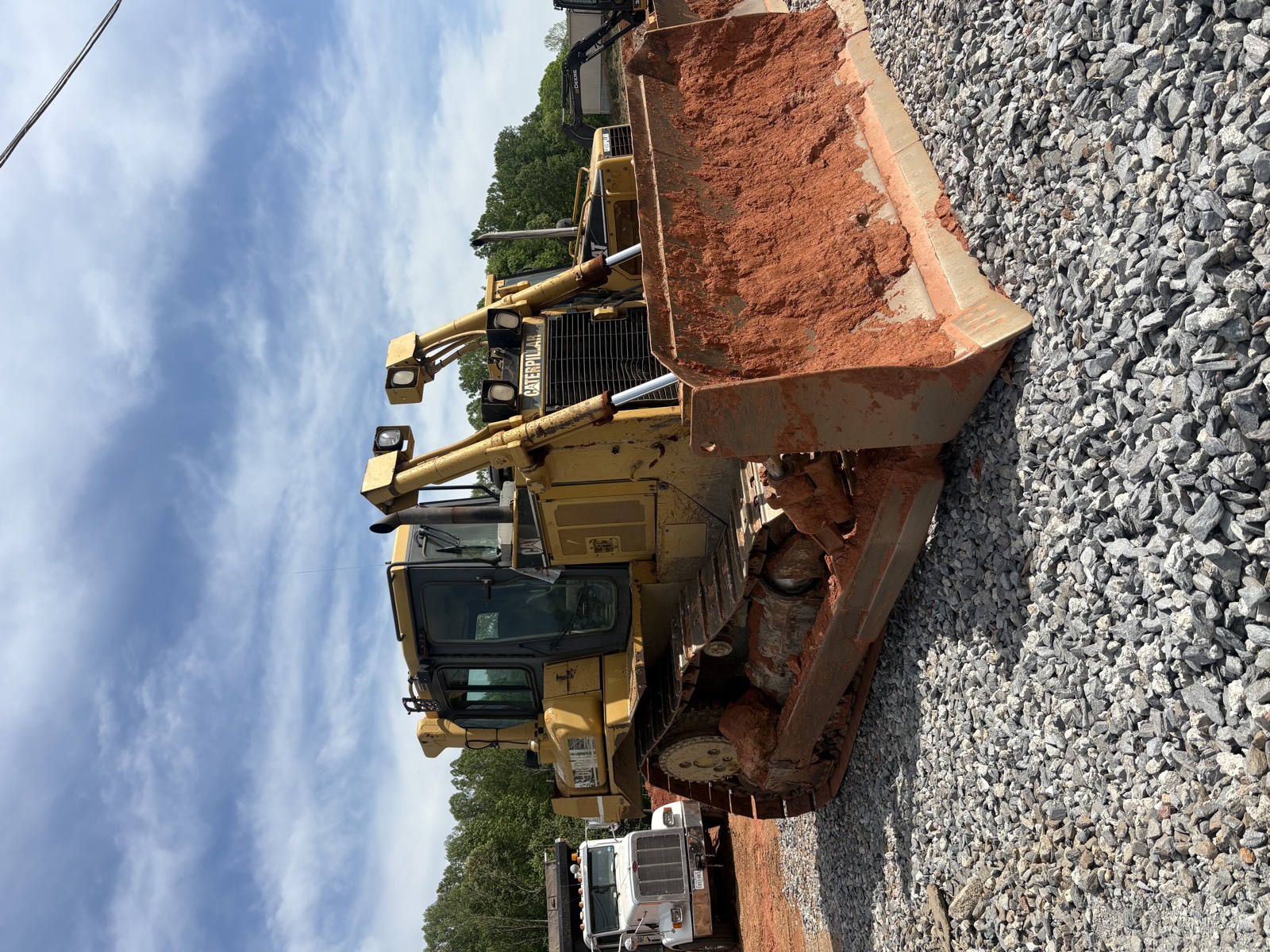
Short answer: a typical residential grading job takes a few days to about two weeks; commercial pads and larger cut-and-fill projects usually run several weeks, depending on scope, weather, and inspection schedules. Anyone who gives you a firm date before walking the site is guessing.
Timeline is one of the most common questions we get right after cost, and the two are related, a bigger, more complex scope costs more and takes longer, for the same underlying reasons. Understanding the phases and the variables helps set realistic expectations before the first truck shows up.
The Phases of a Grading Project
Regardless of size, most grading projects move through the same phases:
- Site walk and quote: 30 to 45 minutes on the ground, followed by an itemized quote and timeline within five business days.
- Permitting: if the project disturbs enough land to trigger VSMP, permit approval has to happen before work starts. This step is often the biggest variable in the overall timeline.
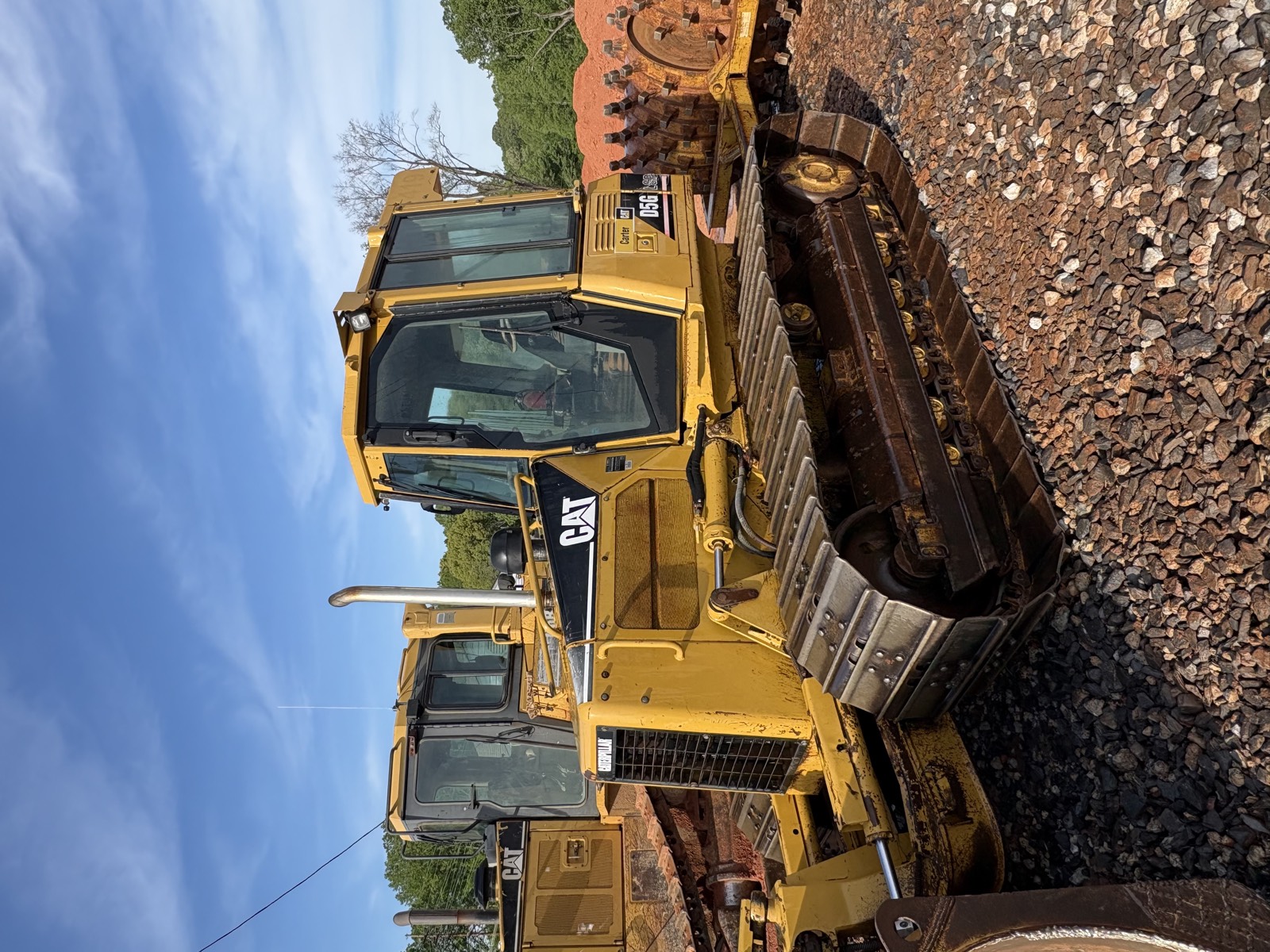
- Mobilization: equipment, erosion controls (silt fence, sediment basins), and crew arrive on-site.
- Grading: the actual earthwork: cut-and-fill, rough grading, then finish grading to plan.
- Inspection and sign-off: elevations checked against plan, documentation provided, final walk with you.
What the Data Says About Site-Work Scope
National cost data offers a useful proxy for how much scope, and therefore how much time, grading and related site work typically represents on a project.
Site work, which covers grading, excavation, and utility connections, averages 7.6% of total new-home construction cost nationally, or about $32,719 per home in the 2024 survey year. Larger, more complex scopes push both the cost and the schedule up together.
Source: NAHB: Cost of Constructing a Home in 2024What Slows a Grading Job Down
- Permitting delays. VSMP review and county approval can take longer than the physical grading work itself, especially on larger commercial projects. Virginia's disturbance thresholds, 1 acre generally and 2,500 sq ft in Chesapeake Bay Preservation Act areas, catch more projects than people expect.
- Weather. Heavy rain halts earthwork and can undo stabilization efforts that already happened.
- Unexpected soil conditions. Rock, unsuitable fill material, or a higher water table than expected can add time once work is underway.
- Utility conflicts. Undocumented or misplaced utility lines can pause work while they're located and addressed safely.
Why Lynchburg's Weather Is a Real Scheduling Factor
Lynchburg averages about 157 rainy days a year, meaning a grading schedule that doesn't account for weather isn't a realistic schedule.
Source: NOAA National Centers for Environmental Information: U.S. Climate NormalsWe build weather buffer into every timeline we quote rather than pretending Central Virginia's rain patterns won't affect the work, a timeline that ignores the local climate is a timeline that's already wrong.
Want a real timeline instead of a rough guess?
A free site walk gets you an itemized schedule in writing within five business days.
Start with a free site walk →Residential vs. Commercial Timelines
A residential lot-leveling or drainage-correction grading job is typically the fastest, often wrapping in under two weeks once permitting (if required) is cleared. Commercial pad prep, subdivision-scale cut-and-fill, or projects with significant stormwater infrastructure take longer, often several weeks, because of the volume of earthwork and the number of inspection checkpoints involved.
For what drives the cost side of the same equation, see How Much Does Grading Cost in Lynchburg, VA? And if your project might need a stormwater permit, read Do I Need a VSMP Permit in Virginia? before you scope your timeline, it's the factor most likely to move your start date.
Frequently Asked Questions
How long does a grading project take?
Most residential grading wraps in a few days to about two weeks; commercial pads and larger cut-and-fill jobs typically run several weeks depending on scope, weather, and inspections. A real timeline in writing comes after a free site walk, not a range that changes once the crew shows up.
What's the biggest factor that delays a grading timeline?
Permitting, more often than the physical earthwork itself. VSMP review and county approval, when required, can take longer than the grading work, which is why we start that process as early as possible on any project that crosses the disturbance threshold.
Does weather actually affect grading schedules in Virginia?
Yes, meaningfully. Lynchburg sees rain roughly 157 days a year on average, and heavy rain halts earthwork and can undo stabilization efforts already completed. We build reasonable weather buffer into every schedule instead of pretending it isn't a factor.
Can grading and utility work happen at the same time?
Often yes, when sequenced correctly. Rough grading typically comes first, utility trenching happens once the working surface is established, and finish grading follows. Coordinating this as one scope avoids the delays that come from handing the site between separate contractors.